
Xbox decided this month to “revamp” and reprice Game Pass. On October 1 Microsoft introduced three refreshed plans, Essential, Premium and Ultimate, and raised the price of Ultimate to $35.95AUD a month up from $22.95AUD per month. Microsoft says it has upgraded the service, added extra partner perks and improved cloud performance, so the top tier now costs more. Essential sits at $12.95AUD with online play and a curated catalogue that is larger than the old Core selection, Premium is $17.95AUD with a bigger library and cloud access but no day one releases, and Ultimate is the all in one option with day one first party games, cloud, PC and console libraries, plus new bundled benefits. The argument from Xbox is that the value has gone up along with the bill but im sceptical.
If you are wondering what you actually get for that jump at the top tier, Microsoft points to a few headliners. Ultimate now includes Ubisoft+ Classics and Fortnite Crew, both of which are paid subscriptions on their own, and cloud streaming quality has been stepped up with priority access and higher resolution. The library count sits in the hundreds, Microsoft has talked up a cadence of dozens of launch day titles each year. The mid tier Premium holds at $17.95 but is intentionally not a day one channel, with Microsoft framing it as a better fit for players who do not need everything the second it drops. On paper that is a tidy segmentation. In practice, the spotlight is all on the 50 percent jump for Ultimate and whether the add-ons justify it.
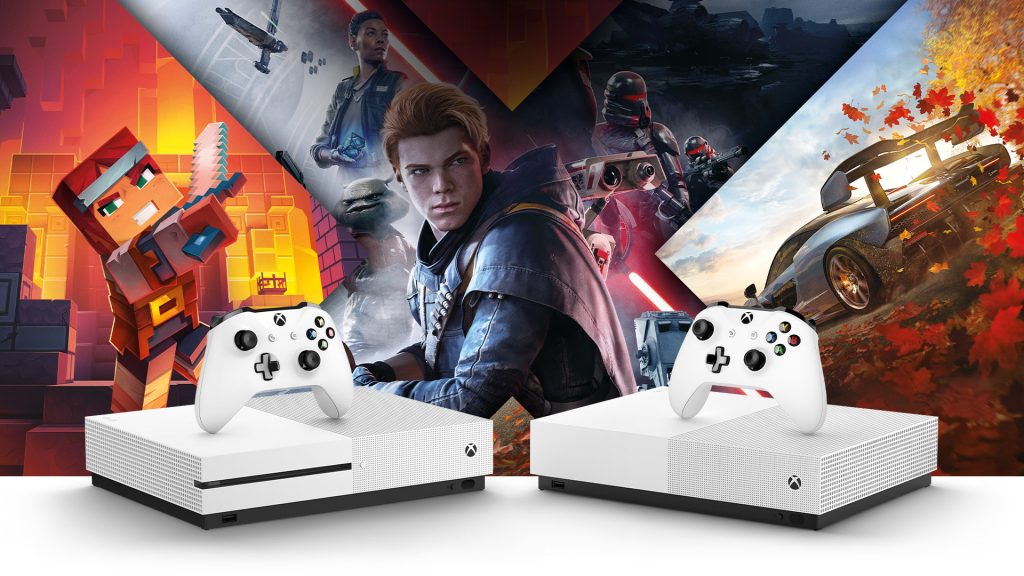
Microsoft’s public line is that this was inevitable as the service matured. There are rising content costs, especially if you want every new first party game to land day one and there is the less glamorous reality of paying for cloud infrastructure worldwide that sometimes works but most of the time doesn’t, hello latency my old friend. Xbox’s own announcement stresses flexibility and choice, the question is whether players buy it or whether they see a value play turning into a profit play at their expense.
The community reaction has been mostly hostile. You can feel the mood shift when a service that built its reputation as the best deal in gaming suddenly costs $431 dollars a year if you want the full fat version. Across Reddit and social media there are plenty of posts from people cancelling, threatening to cancel or planning to dip in only for releases they care about. That is the predictable outcome when a subscription crosses from casual money into serious money for a lot of households. The spike in “cancel Xbox Game Pass” chatter, which trended widely right after the announcement, shows how strong the sentiment was in the first few weeks, this has mostly calmed down but at what initial cost to Xbox and Game Pass.
There is also a practical twist that undercuts Microsoft’s message a little. Retailers started moving quickly to soften the blow with old stock codes and discounted multi month vouchers, essentially letting players lock in months at the pre hike rate while supplies last. GameStop drew headlines for selling Ultimate at the old monthly equivalent, while Amazon and others promoted three month codes at a price that works out cheaper than paying Microsoft directly at the new rate. That doesn’t change the official pricing, but it has given annoyed subscribers a way to bridge the change or stockpile time while they decide where their future subscription loyalty lays.
For players who want to stay in the Xbox world, the real decision is not simply whether Ultimate is too expensive, it’s which tier matches how they actually play. If you don’t need day one access and are mostly working through a backlog or dipping into third party releases after the initial hype cycle, Premium is a very different proposition to Ultimate. If you only need online play and a smaller rotating library, Essential may quietly become the default for a lot of console owners, especially in families. Microsoft is clearly trying to funnel heavy users up into Ultimate, and casual users down into Essential, with Premium in the middle as a pressure valve. That is smart product design. The test will be whether those lines hold once the churn starts and people try the lower tier for a month or two.

Comparisons to PlayStation Plus arrived instantly, and for good reason. Sony’s Deluxe tier is $23.95 a month in Australia, well under Ultimate’s $35.95. The two services are not identical, Sony still avoids putting its biggest first party games into the sub on day one, but when money is tight a cheaper library looks very attractive. You can argue about catalogue quality and the timing of exclusives, but there is no debate about the math. Sony now has a price advantage that is easy to explain in a sentence and that alone has shifted the perception of which brand has the better subscription deal. To add salt to the Game Pass wound, Sony is offering 3 months free PlayStation Plus for new PlayStation owners.
Cloud only alternatives complicate the picture further. Nvidia’s GeForce Now is not a content library, it is a way to stream the games you already own, but the Ultimate tier there sits at about 19.99USD a month and the Performance tier at about 9.99USD (Sorry Australian readers, didn’t do the conversion on this one). That is meaningfully cheaper than Game Pass Ultimate and it highlights a philosophical fork in the road. One model asks you to rent a giant library, the other asks you to own what you play and pay for the cloud horsepower separately. The Xbox price hike makes that trade off feel more relevant. Players who prefer ownership can look at a year of GeForce Now plus a couple of full price games and see a path that roughly matches a year of Game Pass Ultimate on cost, with very different compromises.
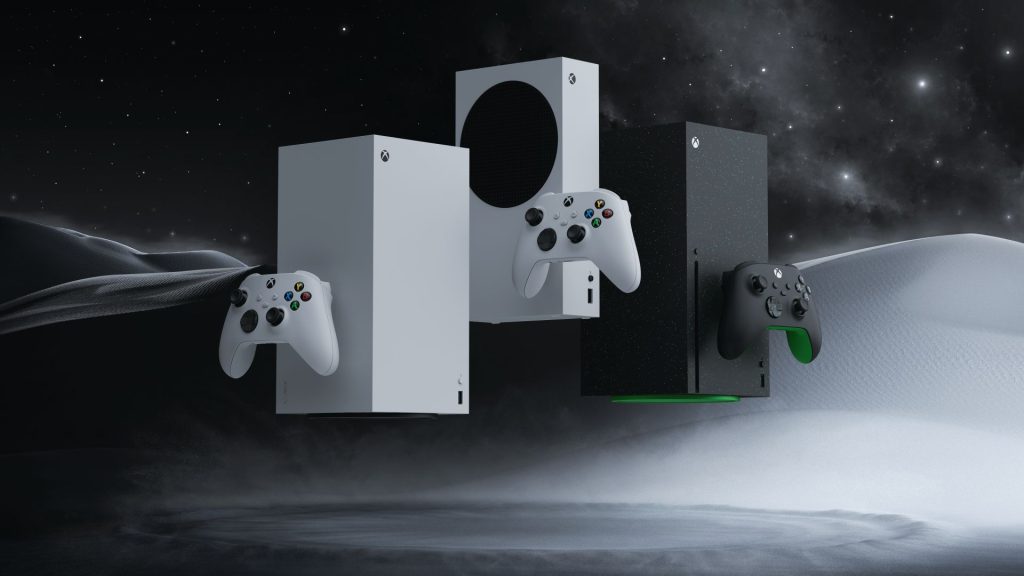
So is Game Pass still worth it at the new price. The honest answer is that it depends. For anyone who lives in the service, bounces between new releases, uses cloud on the couch, the phone and the laptop, and takes advantage of the extras, Ultimate can still be tremendous value. If you add up Ubisoft+ Classics and Fortnite Crew and you actually use them, the bundle math gets friendlier. If you also engage with Microsoft Rewards enough to claw back some credit, that helps too. Heavy users will feel that. Light users will not. If you only play a handful of games a year, there is a compelling case to buy those games outright, especially when big third party releases go on sale quickly and first party libraries sometimes arrive on lower tiers months later. The new pricing practically invites more on and off behaviour where people subscribe for a month when a huge exclusive lands and cancel once they have had their fill. Microsoft must know that, which is why the bundle is designed to keep you busy and to keep you inside the Xbox loop.
There are a few wrinkles worth watching over the next quarter. One is regional policy. Not all countries moved in lockstep. Reports surfaced that members in parts of Europe and a few other markets would continue renewing at their existing price for a short period because of local consumer notice requirements. It is not a universal carve out and it will not last forever, but it shows that the roll out had edges that Microsoft had to file down in public after the fact. That did not help the optics.
Another is retailer behaviour. If third party sellers keep undercutting the direct price with old stock or aggressive bundles, Microsoft will either need to rein in supply or accept that a noticeable slice of Ultimate users are paying less than the new sticker. That does not change the story long term, stock will dry up, but right now it dulls the pain and muddies the message that Ultimate is firmly a $35 dollar product. You can already see how that softens backlash posts and lets people say they are staying subbed for now because they found a deal.
There is also the competitive narrative. PlayStation Plus does not need to do anything to benefit from this change, it can simply hold its price and point to the difference. That is a clean marketing win that wont convert die hard Xbox players, but it might sway anyone who plays across both ecosystems or is shopping for a first sub or even a dabble back into the PlayStation world. If Microsoft holds the line, Sony gets to look like the cheaper, sensible option for a while. If Microsoft blinks and starts tinkering with a cheaper ad supported tier (which has been rumoured) or limited cloud passes, that would confirm what many players are already saying, that $35 a month is a bridge too far for a large chunk of the audience. For now Sony has been happy to let the comparison speak for itself.
Let’s talk consumer trust, because that is the part money cannot fix overnight. Game Pass earned goodwill by feeling generous. New games arrived quickly, the monthly price felt reasonable, and even sceptics admitted it was an easy recommendation. That story gets harder to tell at the new price point, not because the content vanished, but because the psychological line has been crossed. $35 a month is cable TV territory, it’s more than a premium Netflix plan in a lot of regions and that triggers a different kind of household budgeting conversation. When people are cutting streaming services left and right, a gaming subscription at the top of the market needs to be bulletproof. That means fewer lean months, clearer roadmaps and perks that people use. Otherwise the unsubscribe button and subscription churn becomes a habit.
From Microsoft’s side, there is a logic to all of this. The company spent heavily to build a content pipeline, it is maintaining a global cloud network for gaming and it wants a subscription that pays for itself while still feeling like a no regrets purchase. The safest way to do that is to set a high price for the everything bundle and leave one or two cheaper doors open for everyone else. That is exactly what Essential and Premium look like. The risk is that the brand association shifts from generous to premium and, for a slice of players, from premium to overpriced. If Ultimate becomes a club for heavy users and everyone else drops off or cycles in and out, the ecosystem effect that made Game Pass so powerful, the feeling that every game had an audience on day one because everyone had the sub, starts to weaken. That matters for indies and for mid size releases that depended on discovery inside the service.
The practical advice is to look at your habits over the last six months. If you routinely bounced between new releases and used cloud away from the console, Ultimate still has legs, especially if you can stack some discounted time from retailers while it lasts. If you mostly play older hits, live service staples or a steady diet of third party games, Premium is probably the smarter pick and the extra money a month in your pocket will feel good. If you primarily care about online access and a small library for family play, Essential is fine and you can top up a month of Premium or Ultimate when a must play lands. If none of that sounds like you and you prefer owning key titles, consider pairing a cheaper cloud service like GeForce Now with the handful of games you actually buy each quarter. There is no single right answer, only the plan that keeps your spend aligned with your play.
Microsoft will argue that the service is better than it has ever been and in isolated ways that is true. The catalogue is bigger, the tech is stronger and the bundle value adds are real if you use them. The frustration is not about any one bullet point, it is about a vibe shift. Game Pass used to feel like a celebration of playing lots of games for not much money. Now it feels like a premium tier that asks you to prove you belong by playing a lot and spending a lot. That does not make it bad, it makes it specific. If Xbox wants to win back the no brainer label, it will need to show a steadier stream of irresistible releases, communicate earlier and more clearly about changes and consider a more flexible set of options for the rest of us. Until then, pick the tier that fits your life, take advantage of retailer deals while they exist, and do not be afraid to cancel between the big releases. That is the new normal for subscription gaming and it is perfectly rational.
Have your say in the comments below
No responses yet