
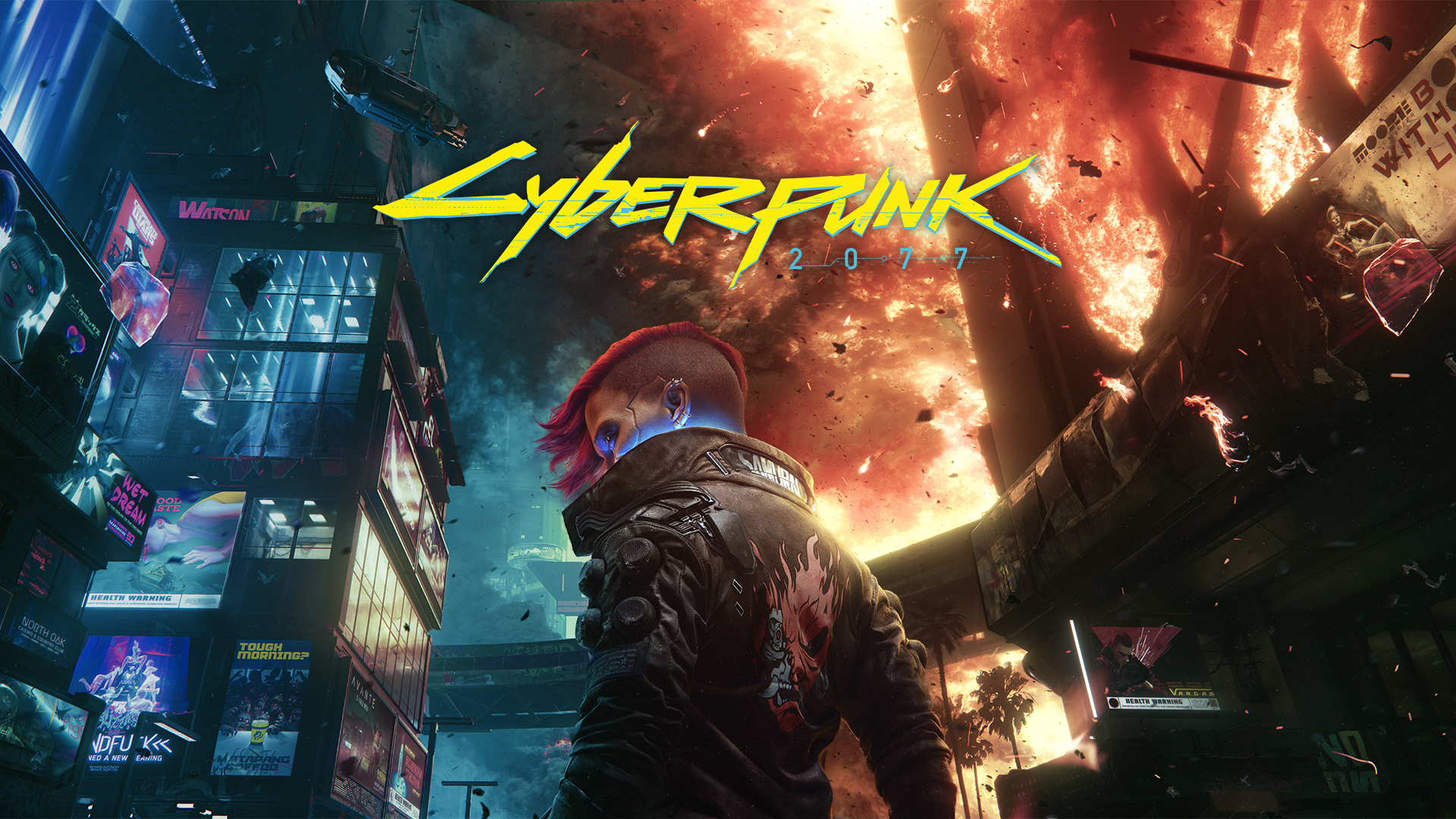
We should all remember the clusterfuck that was Cyberpunk 2077 but has it earn’t redemption? Steam seems to think so. Few games have had a ride as chaotic as Cyberpunk 2077. When it launched in December 2020, it was supposed to be a generational masterpiece. Instead, it became one of gaming’s biggest fails which involved being pulled from the PlayStation store in December 2020 due to poor performace and a large amount of bugs. Four years and a number of patches later, it’s finally earned a second chance but that redemption comes with a cautionary tale.
The Hype and the Crash
When CD Projekt Red announced Cyberpunk 2077, expectations went through the roof. This was the studio that gave us The Witcher 3, and their promise of a sprawling, player-driven sci-fi RPG set in a living city sounded like magic. With Keanu Reeves lending star power as Johnny Silverhand, the marketing was flawless. The launch, however, was a shitshow.
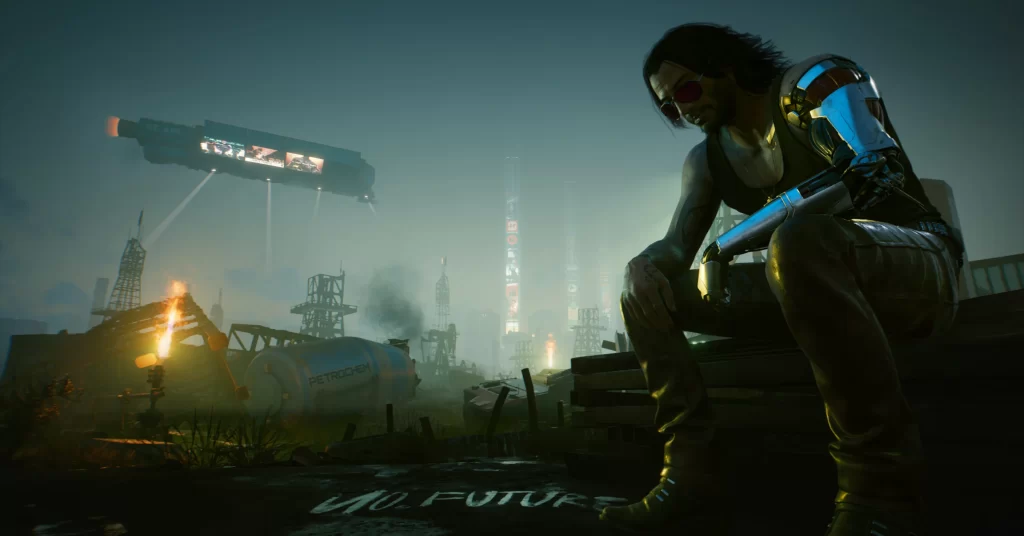
On PC, the game was rough but playable after a frustrating amount of tinkering with settings and even then it was meh. On PlayStation 4 and Xbox One, it was a mess. Framerate drops, glitched NPCs, constant crashes, some versions barely held 20 frames per second. The game’s police system became an internet meme; officers would literally teleport behind you seconds after committing a crime. Sony even pulled it from the PlayStation Store and offered full refunds, a near-unprecedented move that said everything it had to about Cyberpunk 2077.
CD Projekt Red apologised and admitted to misleading marketing by showing only PC footage before launch. Patches were promised, and the studio’s reputation took a serious hit. Players felt betrayed, and the game that was supposed to define the decade became shorthand for overhyped failure.
The Long Road Back
What happened next was slow, painful, and surprisingly commendable. Instead of abandoning ship, CDPR spent the next two years repairing the game from the ground up. Dozens of patches fixed crashes, improved performance and made the world more stable. It was a long haul, but gradually, Night City started to come to life, sort of….
By mid-2021, Cyberpunk 2077 returned to the PlayStation Store with a warning that it still wasn’t ideal on base PS4 consoles. Then came the real breakthrough, Patch 1.5 in early 2022. This wasn’t just bug fixing. It introduced native versions for PS5 and Xbox Series X/S, complete with faster loads, 4K support, and ray tracing. But most importantly, the gameplay itself began to feel coherent.
NPCs reacted more realistically. Combat was sharper. Driving stopped feeling like you were steering a shopping trolley. And for the first time, players could buy apartments and customise their character mid-game, things that should have been there from the start.
Still, even with these improvements, the game wasn’t yet what had been promised. Many players found the open world visually stunning but mechanically shallow. Night City looked alive but often felt hollow once you tried to interact with it. For a game that sold itself as “the future of immersion,” it was still catching up to GTA V in basic interactivity.
Update 2.0 and Phantom Liberty
In late 2023, CDPR delivered the update that changed most peoples feelings about the studio and the game: the free 2.0 overhaul and the Phantom Liberty expansion. Together, they finally turned Cyberpunk 2077 into the game it was supposed to be.
Update 2.0 rebuilt the core mechanics. The police system, once a joke, became one of the most dynamic in gaming. Now when you commit a crime, the cops pursue you logically. They escalate with tactics and vehicles, roadblocks appear, and high-speed chases play out naturally. Vehicle combat became a fully realised feature; you can now shoot or hack from your car in real time.
Combat itself felt tighter and more deliberate. The new perk system replaced the bloated skill trees of old, rewarding smart build choices instead of random stat buffs. The Cyberware system which is the heart of Cyberpunk’s identity, was redesigned so you can become the chrome-covered monster you were always meant to be. Want invisibility cloaks or slow-motion melee rampages? They’re here, and they work.
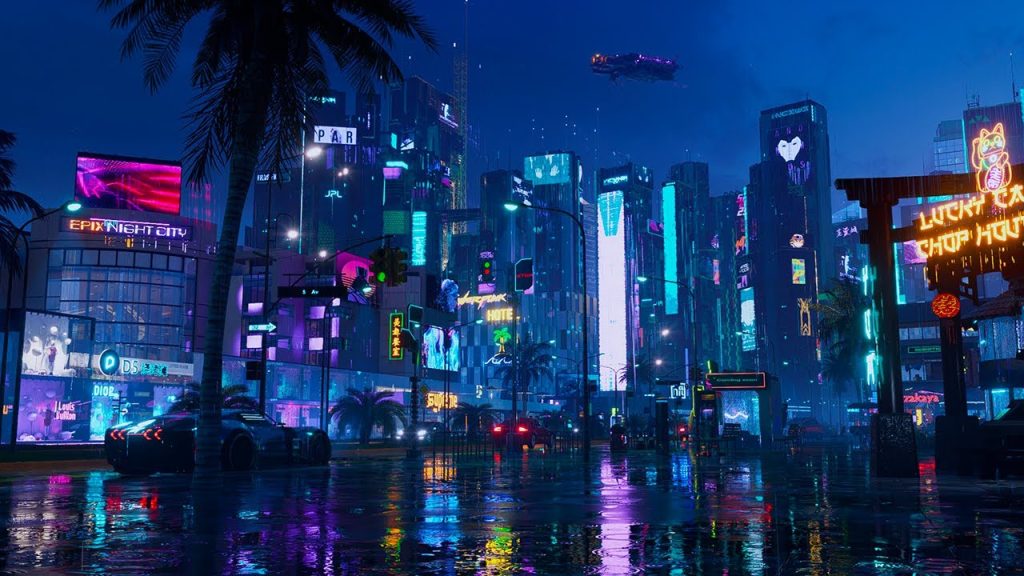
Then there’s Phantom Liberty. Set in a new district called Dogtown, it’s a grim, claustrophobic environment ruled by a warlord named Kurt Hansen. The story throws V into a spy-thriller narrative that feels like Blade Runner meets Mission: Impossible. You team up with Solomon Reed, a grizzled government agent played by Idris Elba, who gives one of the best performances in any recent RPG.
The expansion runs about 15–20 hours, but it’s packed with tension, choice, and consequence. The writing is sharp, the pacing brisk, and the moral ambiguity vintage CDPR. Dogtown feels distinct, a militarised zone that’s more dangerous and grounded than the glittering towers of central Night City, at first, I couldnt wait to get back to the shining lights of NC but Dogtown kept pulling me back in.
This was the patch that finally earned CDPR back its credibility. Critics and fans alike admitted: Cyberpunk 2077 had finally arrived. Albeit, 4 years late.
The Honest Reality
It’s worth asking — is Cyberpunk 2077 truly “fixed”? Mostly, yes. But it’s still not perfect. I have completed 4 playthroughs from start to finish. My total time in game is around 400 hours but there is still something missing. I absolutely love the game and the story in its current format but I cant help to think that if it had been right from the start, would we have been given more. Instead the Devs had to dedicate their time to fixing a broken game.
Even on powerful PCs or current-gen consoles, occasional bugs and odd AI behaviour remain. NPC pathing can still glitch, physics sometimes freak out, and a few side missions are prone to minor scripting issues. During my first 2.0 playthrough I got to the final scene and V had to put on his clothes but they were no where to be seen, this meant that I was unable to finish the game.
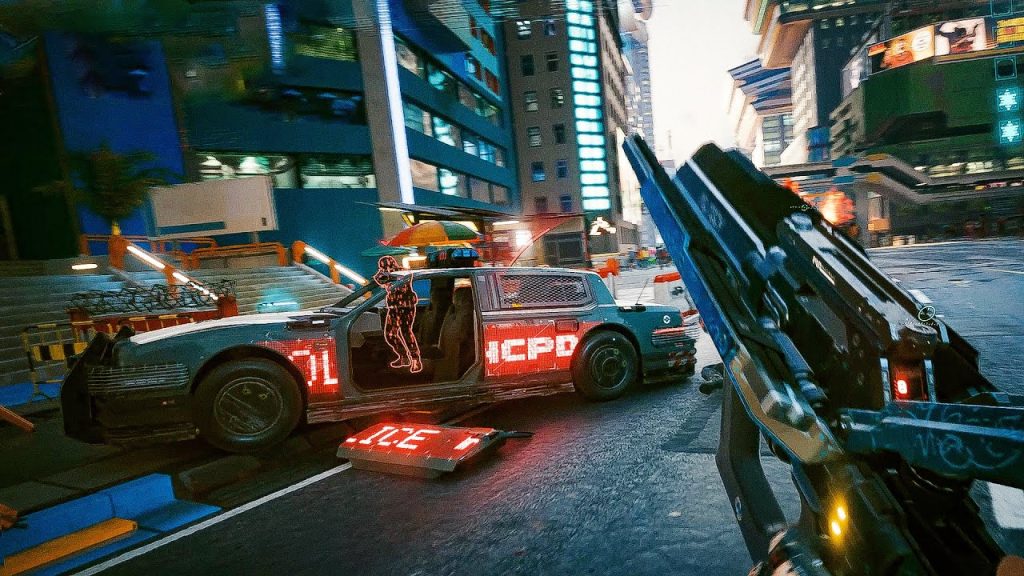
And while the city looks incredible, it’s still more style than substance in some ways. You can’t meaningfully interact with many buildings or shops. The illusion of depth is powerful, but once you scratch the surface, it’s clear this isn’t a sandbox in the way GTA or Red Dead Redemption 2 is. Night City feels lived-in, but not quite alive.
Then there’s the role-playing aspect. For all the talk of choice, most storylines funnel back into a similar structure. Yes, your build and dialogue matter, but the branching paths aren’t as far-reaching as early marketing implied. It’s immersive, but it’s not Deus Ex levels of freedom.
And while CDPR’s commitment to fixing the game is admirable, the redemption arc doesn’t erase the original sin. The launch left a scar. For many players, this “finished” version is simply what should have been delivered from the start, instead it was presented to us as a gift. I think CDPR got lucky but this is a common theme in current gaming cycles where the devs/studios, for whatever reason, release a half baked game for full price and expect patience while its fixed. I can accept that Cyberpunk 2077 was eventually fixed but should we have waited 4 years for it? I sound ungrateful but I think the community deserves polished games. Don’t get me started on early releases that are early releases for 3 years.
The Present Day – 2026
All of that being said, in 2026, Cyberpunk 2077 stands tall as one of the most compelling open-world RPGs around. The Ultimate Edition combines everything, the base game, all patches, and Phantom Liberty into a complete package. On PC and next-gen consoles, the performance is silky-smooth. With path-traced lighting on PC, Night City becomes a visual masterpiece reflections, shadows, and neon all blending into something that feels alive.
The story now shines without distraction. Johnny Silverhand and V’s dynamic is still a highlight, and Phantom Liberty’s new characters add layers of moral complexity. The side quests, a long-time CDPR strength, are some of the best in modern gaming.
Playtime-wise, the game’s generous. The main story sits around 35 hours, but exploring the city and completing side missions easily stretches that to 60 or 70. Add Phantom Liberty and you’ve got a solid 80–100 hours of quality content.
Final Verdict
Cyberpunk 2077 in 2026 is a redemption story with real grit. It’s not a miracle, it’s a recovery earned through years of hard work, community backlash, and persistence. The bugs haven’t vanished completely, the world still has limits, and the trust CD Projekt Red lost in 2020 won’t ever be fully restored. But it’s impossible to deny what they’ve achieved.
What was once a broken promise is now a polished, mature, and genuinely impressive RPG. It’s vibrant, playable, and finally worthy of the hype that once surrounded it. If you skipped it because of the launch mess, now’s the time to jump in.
I rate this game in its current format a 4.2/5
NightMode Breakdown:
- Time Value: Perfect for short and long sessions
- Engagement: Solid escape
- Story & Atmosphere: Good ride
- Accessibility: Mostly smooth
- Replay Value: I’ll come back to this
No responses yet